

Leadership Program in AI
Invalid liquid data
Invalid liquid data
Leadership Program in AI: Lead AI strategy and business transformation
The Leadership Program in AI is a six-month program for nontechnical senior executives who want to evaluate AI, machine learning, and analytics through a strategic business lens. It combines self-paced online learning, faculty-led live sessions, a leadership-focused short course, integrated live webinars on the latest gen AI developments, and an organization-specific capstone project. Participants build practical frameworks to assess AI opportunities, align initiatives with enterprise strategy, and lead responsible adoption-without needing a technical or coding background.
What will you learn in the Leadership Program in AI?
The Leadership Program in AI equips senior leaders to evaluate AI through a strategic business lens. Throughout this six-month learning journey, participants develop the leadership capabilities to identify AI opportunities, evaluate AI technologies, navigate governance considerations, and build an organization-specific AI strategy that supports long-term business objectives.
Key program takeaways
AI strategy: Leverage AI, machine learning, and analytics to support strategic business decisions
Opportunity identification: Apply program frameworks to identify high-impact AI opportunities across your organization
Data-driven insights: Interpret AI-driven insights to improve decision making and business performance
Technology evaluation: Assess AI and machine learning technologies based on business relevance and organizational value
Responsible AI: Evaluate AI-enabled opportunities while balancing implementation challenges and navigating legal, ethical, and governance considerations
Enterprise AI strategy: Create an organization-specific AI strategy through a practical capstone project
Learning journey of the Leadership Program in AI
Structured to fit alongside ongoing professional commitments, the program requires approximately four to six hours per week. The program’s curriculum is designed for senior leaders guiding AI-related decisions and focuses on leadership-level perspectives on machine learning, data governance, legal and ethical considerations, AI-driven business strategy, and workforce transformation.
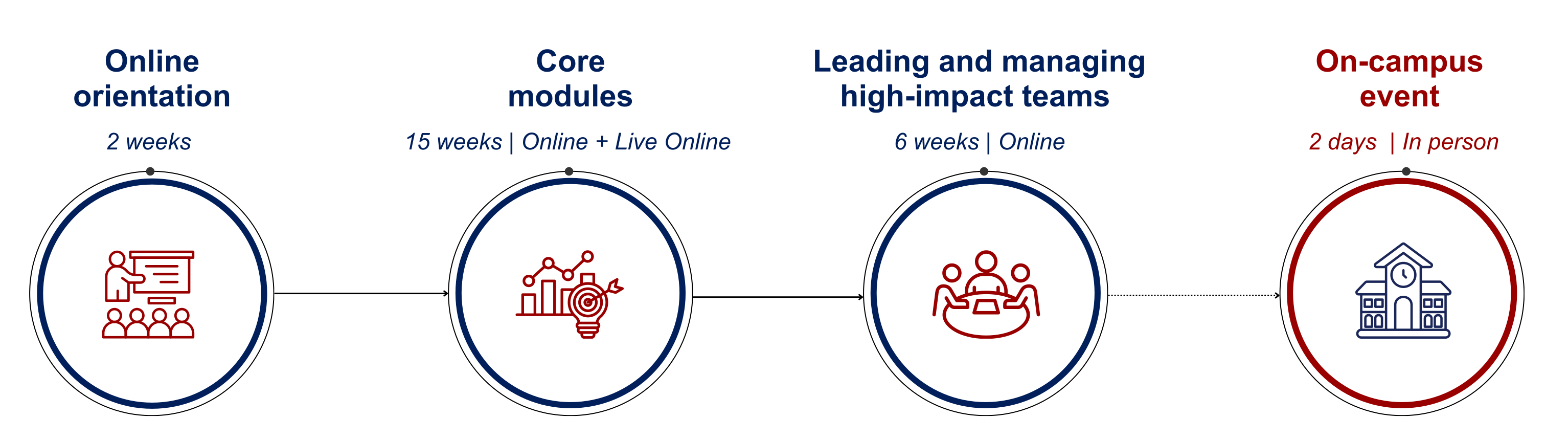
How is the Leadership Program in AI curriculum structured?
Phase 1: Data-Driven Decisions (3 weeks | online and live online)
Sharpen your data-driven skills to make informed decisions, leverage AI/ML to analyze business growth, conduct experiments, and drive growth strategies to meet your organizational goals.
The AI Landscape: A Brief History of AI to the Present (This module includes a required faculty-led interactive live online session and a required activity.)
Gain an understanding of AI's evolution, key milestones, and the technological advancements that continue to shape business and organizational strategy.
Market Insights with AI: Transforming Observational Data into Strategic Decisions
Explore how AI can help analyze observational data to uncover patterns, generate insights, and support informed business decisions.
Data-Driven Experimentation: Optimizing Strategies with A/B Testing
Learn how experimentation frameworks such as A/B testing can be used to evaluate strategies, measure outcomes, and support continuous business improvement.
Phase 2: Machine Learning and Applications (5 weeks | online and live online)
Leverage AI to understand growth parameters and potential pitfalls of your organization's strategies, identify structured data from unstructured data, and make decisions based on data-driven business forecasts.
AI and ML for Business: Core Concepts for Leaders
Develop a practical understanding of AI and machine learning concepts and their relevance to business strategy and decision making.
Driving Strategy through AI and Machine Learning
Explore how AI and machine learning can support strategic planning, improve operational effectiveness, and create business value.
GenAI and Large Language Models: How They Work
Understand the foundational concepts behind generative AI and large language models and examine their growing role across business functions.
Effective Decision Making: Deep Learning and Prediction
Examine how deep learning models support prediction, pattern recognition, and data-driven decision making in business contexts.
GenAI and Reinforcement Learning
Explore how reinforcement learning and generative AI complement each other across emerging AI applications and business use cases.
Phase 3: AI Inputs and Outputs: Business, Legal, and Ethical Responsibilities (5 weeks | online and live online)
Understand how to use AI responsibly to build trust, foster innovation, and navigate biases. Explore the legal and ethical implications of AI usage and gain knowledge of regulation laws, including General Data Protection Regulation and data privacy laws, to prevent privacy violations and discrimination.
Transformer Models and Natural Language Processing
Develop an understanding of transformer models and natural language processing and explore how they enable modern AI applications.
AI and ML: Understanding and Mitigating Bias
Examine sources of bias in AI and machine learning systems and explore approaches for identifying and mitigating their impact.
Defending the Decision: Interpreting AI and ML Output
Learn how to interpret AI outputs and communicate AI-driven decisions with greater transparency and confidence.
Navigating Legal and Regulatory Barriers to AI (This module includes a required faculty-led interactive live online session and real-world case studies.)
Explore the legal, regulatory, and compliance considerations that influence AI adoption and learn how to navigate evolving governance requirements in organizational contexts.
The Impact of AI/ML on the Workforce
Explore how AI and machine learning are reshaping roles, workflows, and workforce capabilities across organizations.
Phase 4: Data and Algorithms in the Organization (2 weeks | online and live online)
Integrate data and AI into your organization for effective decision making and a culture of adaptability. Explore strategies to harness data-driven insights and technologies to enhance the decision-making process, optimize operations, and drive innovation while building a robust data-driven ecosystem.
Building Data Analytics Capabilities
Explore approaches to building organizational data analytics capabilities that support informed decision making and business growth.
Driving the Analytic Mindset Forward
Learn how to foster a data-driven culture that encourages evidence-based decision making and continuous improvement.
Leading and Managing High-Impact Teams (6 weeks | online)
As an executive leading AI in your organization, it is essential that you inspire a team that can understand your vision and be ready to make an impact. The required short course Leading and Managing High-Impact Teams will elevate your learning experience and equip you with the leadership skills to inspire and motivate your team and drive enterprise-level transformation.
Over six weeks, you will build the core competencies needed to engage global team members, win stakeholder support, and craft a winning leadership strategy.
Recognition ceremony and networking event (2 days | on campus)
Meet your cohort peers and faculty in person on the University of Pennsylvania campus in Philadelphia at an optional two-day recognition ceremony and networking event*. This event enables you to network with not just your peers but also professionals from other cohorts and to create a lifelong community of global executives. The networking event is generally held within six to nine months from the date of completion of the program.
Note: *A registration fee of US$250 is applicable.
Integrated live webinars on latest genAI developments
In addition to live, interactive, faculty-led modules, the program features a series of live webinars on generative AI (genAI), offering you the latest developments and practical insights on cutting-edge AI technologies and tools. These transformative webinars enhance your understanding of genAI-driven innovation and efficiency.
Join industry leaders and experienced Wharton faculty for in-depth interviews and thoughtful lectures on the rapidly evolving genAI landscape, including effective communication methods with large language models (LLMs), the evolution and progress of ChatGPT, challenges in adopting genAI systems and their possible resolutions, and discussions about hands-on use cases of LLMs. Stay ahead of the curve and elevate your genAI expertise by attending live webinars on the latest LLM advancements.
LLMs: Foundations: Build a clear understanding of how large language models work and what enables them to generate human-like insights, content, and decisions at scale.
Scaling, Competition, and the LLM Ecosystem: Examine how advances in scale, data, and competition are accelerating model capabilities and reshaping the AI landscape.
Balancing Cost and Quality in AI: Learn how to evaluate trade-offs between performance, cost, and speed when deploying AI solutions in real-world business contexts.
Enterprise Challenges with LLMs: Understand the key barriers to adoption, including trust, bias, reliability, and organizational readiness — and how leaders can navigate them.
LLM Agents and the Future of Work: Discover how AI is moving beyond chat to autonomous systems that can plan, act, and integrate with tools — and what this shift means for organizations.
Note: The session topics and schedule are subject to change.
How does the Leadership Program in AI build enterprise AI leadership capabilities?
The Leadership Program in AI prepares senior leaders to evaluate AI strategically, lead responsible AI adoption, and translate AI investments into measurable business value. Through a structured curriculum, integrated live webinars, and an organization-specific capstone project, participants develop the judgment and practical frameworks needed to lead AI initiatives with confidence.
AI strategy for business leaders
Identify high-impact AI opportunities, evaluate AI and machine learning technologies, and align AI initiatives with enterprise strategy using practical business frameworks.
Responsible AI and governance
Build the capabilities to navigate AI governance, legal and ethical considerations, regulatory requirements, and bias mitigation while fostering responsible AI adoption across your organization.
Generative AI and emerging technologies
Develop a practical understanding of generative AI, large language models, reinforcement learning, and transformer models through core modules and integrated live webinars focused on the latest AI developments.
Organization-specific AI strategy
Work on a capstone project to evaluate AI opportunities, address implementation challenges, and develop an organization-specific AI strategy and implementation road map aligned with your business objectives.
Your essential toolkit for AI leadership

Applied genAI Foundations
Gain a leadership-level understanding of genAI, AI agents, and LLM models, supported by hands-on experimentation with agent-driven workflows.

Effective Prompt Engineering
Learn to design effective LLM prompts for daily productivity, analytical tasks, and business-specific applications that enhance decision making.

Enterprise AI in Action
Explore real-world applications of genAI across the enterprise, including A/B testing, no-code AI examples, and modern experimentation frameworks.

Expert-Led AI Sessions
Engage in a live session focused on AI-mediated markets and responsible AI governance. Assess how AI systems research, recommend, and transact.
Who is the Leadership Program in AI for?
Senior-level executives | Leverage AI and emerging technologies to transform business operations, improve performance, and strengthen strategic decision making |
C-suite leaders | Build an understanding of AI and AI-driven applications to make informed decisions and amplify strategic influence |
Emerging leaders | Strengthen your ability to navigate disruption and prepare for the future of AI in business |
Innovation champions | Explore AI and machine learning initiatives that drive innovation and create meaningful organizational impact |
This program is not the right fit if you are:
An AI or machine learning practitioner seeking advanced model development or deep technical coursework
A data scientist leading mature data and AI organizations, looking for hands-on coding, algorithm design, or research-focused content
An AI leader already operating at scale and well versed in deploying and managing production models
Participant profile
Past participants of the Leadership Program in AI
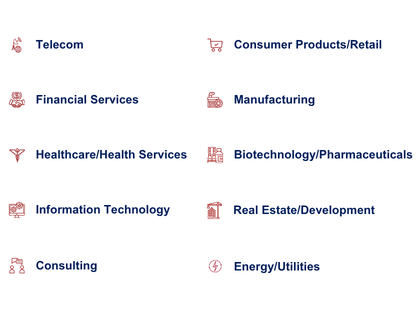
Top industries
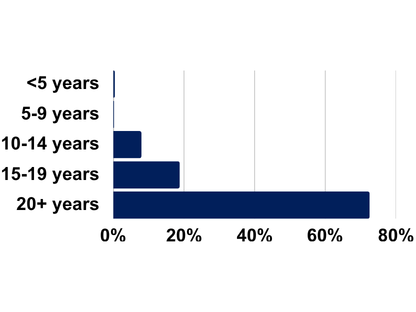
Work experience
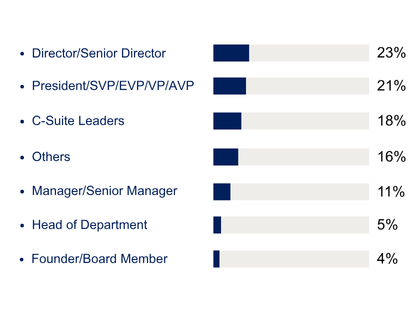
Top roles
Countries

What past participants have to say about the Leadership Program in AI
Where past participants come from










Disclaimer: All product and company names are trademarks or registered trademarks of their respective holders. Use of product and company names does not imply any affiliation with or endorsement by the holders.
The list of companies is only indicative and not exhaustive.
Hear from past participants and faculty

How do you select an AI leadership program?
Experience/Program Highlights | Wharton Leadership Program in AI | Other AI Learning Programs |
Leadership Perspective | ✅Leadership perspective on enterprise AI decisions, governance, and impact | ❌ Emphasizes technical, analytical, or functional depth in specific AI capabilities |
Learning Approach | ✅ Faculty-led learning grounded in leadership realities | ❌ Delivered via self-paced, function-specific learning |
Application Context | ✅ Personalized capstone aligned to organizational context | ❌ Predefined use cases, simulations, or technical exercises |
Program Structure | ✅ Deeper understanding and application alongside leadership responsibilities | ❌ Often modular, designed for rapid skill acquisition and exposure |
Networking Opportunities | ✅ Optional two-day on-campus networking; build long-term relationships | ❌ Informal virtual interactions or peer exchanges; fewer in-person opportunities |
Peer Engagement | ✅ Connects global leaders for peer learning and perspective exchange | ❌ Peer interaction varies by format; often limited to forums |
Note: The session topics and schedule are subject to change.
Who teaches the Leadership Program in AI?
Drawing on the expertise of world-renowned Wharton faculty, the program combines rigorous research with practical perspectives to help senior leaders understand AI's strategic implications, evaluate emerging technologies, and translate data-driven insights into informed business decisions that create long-term organizational value.

Prasanna Tambe, PhD
Prasanna Tambe, PhD Academic Director of the Leadership Program in AI; Professor of Operations, Information and Decisions, The Wharton School; Faculty Co-Director of Al at Wharton
Prasanna (Sonny) Tambe’s research focuses on how data science and AI are used in HR, especially in tech-driven workplaces. His work has been published in top academic journals...

Raghuram Iyengar, PhD
Miers-Busch, W’1885 Professor; Professor of Marketing; Faculty Director of Innovation, Experiential Learning and Research Initiatives, Analytics at Wharton, The Wharton School
Raghuram Iyengar holds an undergraduate degree in engineering from IIT Kanpur, India, and a PhD in marketing from Columbia University. His work has been published in leading j...

Ron Berman, PhD
Associate Professor of Marketing, The Wharton School
Ron Berman researches online marketing, analytics, and how startups make marketing decisions. His work explores issues such as incorrect ad attribution and the real impact of ...

Martine Haas, PhD
Dr. Felix Zandman Professor in International Management; Professor of Management, The Wharton School
Martine Haas’ work focuses on collaboration and strategy in global organizations. Her research explores topics such as global teams, knowledge sharing, and managing human capi...

Peter Cappelli, DPhil
George W. Taylor Professor of Management; Director, Center for Human Resources, The Wharton School
Peter Cappelli has advised governments, worked with international organizations, and contributed to US education policy. He has been named one of the top management thinkers b...

Cade Massey, PhD
Practice Professor, Operations, Information and Decisions, The Wharton School
Cade Massey studies how people make predictions under uncertainty, using real-world data from areas such as employee benefits, sports drafts, and school admissions. His resear...

Michael Useem, PhD
William and Jacalyn Egan Professor Emeritus of Management; Faculty Director, Center for Leadership and McNulty Leadership Program, The Wharton School
Michael Useem is professor of Management and faculty director of the Center for Leadership and Change Management and McNulty Leadership Program at the Wharton School, Universi...
How does the Leadership Program in AI use applied learning?
The Leadership Program in AI combines real-world case studies with an organization-specific capstone project to help participants connect AI strategy with practical business challenges. Throughout the program, you will evaluate real organizational decisions, examine the opportunities and risks of AI adoption, and apply proven frameworks to develop an AI strategy tailored to your enterprise.
Real-world case studies in the program
Air Canada

Examine the Air Canada chatbot incident to see how misinformation undermined customer trust and why explainability and interpretability are essential for preventing such failures in AI systems.
RugsPlanet

Explore how Rugs Planet's narrow focus on primary A/B test metrics led to costly unintended consequences, illustrating why leaders must adopt a holistic view of experimentation and long-term impact.
Weight Watchers International

Assess how Weight Watchers' violation of COPPA through unauthorized data collection triggered regulatory action, highlighting the importance of ethical AI governance and robust compliance frameworks.
Rocket Fuel

Examine how Rocketfuel exposed flawed performance metrics by isolating incremental impact, reinforcing the need for rigorous benchmarks and disciplined measurement in data-driven strategy.
Capstone project
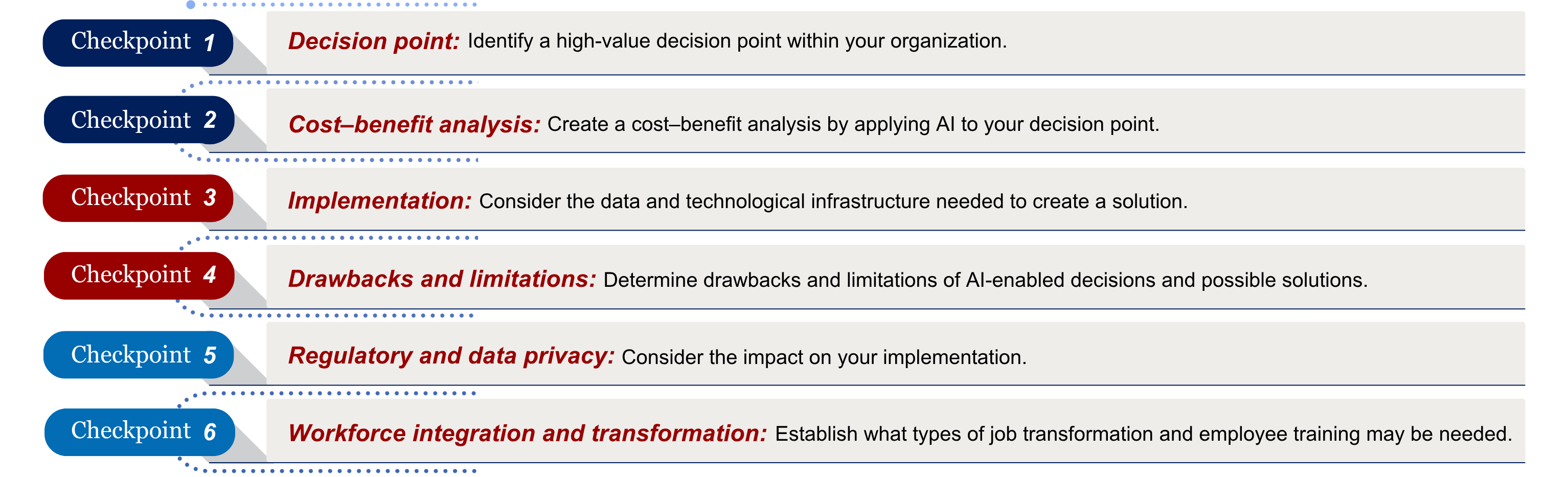
What credentials and outcomes will you gain from the Leadership Program in AI?
Pathway to Wharton alumni status
For more than 135 years, Wharton has been the place where visionaries, inventors, and trailblazers get their start. After completing the Leadership Program in AI and subsequent open-enrollment programs, subject to further qualification criteria and additional tuition, you have a pathway to apply for Wharton alumni status.
Executives who successfully complete the Leadership Program in AI have the option of applying to the General Management Program (GMP). The GMP provides further opportunities to enhance your leadership skills and business acumen with a flexible curriculum. The Leadership Program in AI provides one credit toward the six required to complete the GMP and earn alumni status. More details on the GMP are available at Wharton Executive Education.
Upon qualifying for Wharton alumni status, you will be eligible to receive:
Full access to become a member of 77+ Wharton alumni clubs
Invitation to attend future Wharton Global Alumni forums
A Wharton email address
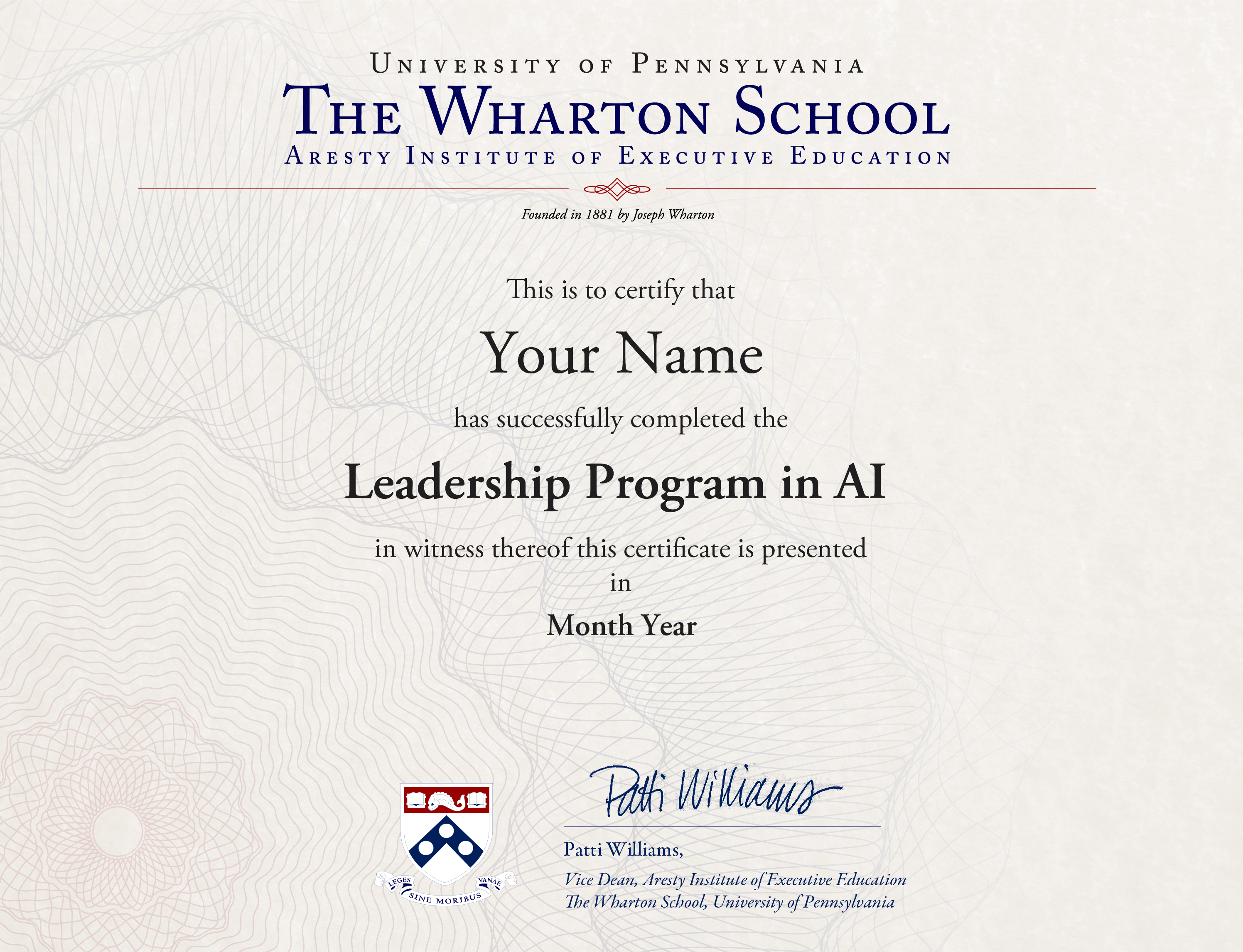
Certificate of completion
Earn a Wharton Executive Education digital certificate upon successful completion of the program. Past participants of the Leadership Program in AI get exclusive access to a wide range of professionals, events, and networking opportunities. Furthermore, you can also benefit from additional tuition assistance upon enrolling in further online programs from Wharton Executive Education.
Note: After successful completion of the program, you will receive your verified digital certificate by email in the name you used when registering for the program. All certificate images are for illustrative purposes only and may be subject to change at the discretion of the Wharton School.
Please also note that participation in the Leadership Program in AI (a) will not result in a degree from, alumni status with, or earned credit at the University of Pennsylvania or the Wharton School (or, to Wharton's knowledge, any other institution); (b) will not be recorded on a University of Pennsylvania or Wharton transcript; and (c) does not guarantee or suggest that a participant will be admitted to the University of Pennsylvania, the Wharton School, or to any other university or institution.
FAQs
What is the Leadership Program in AI from Wharton?
The Leadership Program in AI from Wharton Executive Education is a six-month executive education program for senior leaders who want to evaluate and apply AI, machine learning, and analytics in a business context. The program combines self-paced online learning, faculty-led live sessions, integrated live webinars, and an organization-specific capstone project. Its focus is strategic decision-making, responsible AI adoption, and aligning AI initiatives with organizational goals.
How should I evaluate an AI and analytics executive program?
Look for a program that combines expert faculty, a rigorous curriculum, live interaction, responsible AI and governance coverage, and opportunities to apply the learning to a real organizational challenge. This six-month program brings those elements together through faculty-led learning and an organization-specific capstone project for senior leaders.
How do I select the most appropriate AI for executives course?
Choosing an appropriate AI course or AI for senior executives program depends on your role, goals, and the kinds of decisions you are expected to make. Programs described as advanced AI leadership, advanced AI for business growth, or AI for senior executives can differ in focus — some emphasize strategy and value creation, while others explore implementation, scaling, or governance. The key is to choose a program that aligns with your responsibilities and the context in which you engage with AI and help you gain access to insights and tools that feel like AI leadership training.
How much does the Wharton Leadership Program in AI cost?
The current program fee and payment options are listed on this page. The fee covers academic content, online coursework, and faculty interaction; travel, accommodation, and the optional on-campus networking event are additional. Please refer to the fee section for the latest amount and any applicable tuition benefits.
What outcomes can I expect from the Leadership Program in AI ?
The program is designed to help senior leaders identify high-impact AI opportunities, evaluate AI and machine learning technologies, interpret data-driven insights, explore use cases of AI for senior executives, navigate governance and ethical considerations, and align AI initiatives with enterprise strategy. Participants apply these capabilities through an organization-specific capstone project focused on an AI strategy and implementation road map.
What education or experience is the Leadership Program in AI designed for?
This executive program in AI is designed for senior-level professionals who make strategic decisions across business, strategy, operations, or technology-related roles. It approaches AI, machine learning, and analytics from a leadership and business perspective rather than as advanced technical or model-development training. Please contact the program team if you need to confirm a formal admissions requirement.
Can I lead AI initiatives without a technical or coding background?
The program's curriculum is designed for nontechnical senior executives who need to guide AI strategy, evaluate opportunities and risks, and lead teams working with AI and analytics. It emphasizes strategic judgment, data and AI fluency, governance, and organizational application rather than hands-on coding or advanced model development. If you do not have a technical degree, please contact the program team to confirm any formal admissions requirements.
Can a course in AI and analytics help me become a leader in this space?
A course in AI and analytics can give executives the strategic foresight, decision-making frameworks, and peer perspectives needed to lead confidently in an AI-driven business environment. The Wharton Leadership Program in AI develops these capabilities through faculty expertise, real-world applications, and a global cohort, enabling participants to leverage AI and machine learning for lasting organizational impact.
What kind of education or experience do I need for the Leadership Program in AI?
Executives in AI and analytics leadership can come from diverse professional backgrounds, including business, strategy, operations, or technology-related roles. The Wharton Leadership Program in AI is best suited for senior-level professionals with experience in making strategic decisions that leverage AI for business impact. This program enables you to build the foresight, analytical fluency, and leadership expertise needed to excel.
How do I build leadership skills in AI and analytics without a technical background?
Many senior executives leading AI and analytics initiatives begin from business, strategy, or operational backgrounds rather than technical ones. Success in these roles often reflects the ability to guide strategic priorities and lead teams working with AI and analytics. The Wharton Leadership Program in AI is designed for senior executives, providing the strategic insight, analytical fluency, and leadership frameworks to help you confidently shape the future of AI in business.
How should I choose an AI and analytics leadership program?
Consider the leadership role you hold, the business impact you need to create, and your responsibility for directing AI strategy, implementation, or governance. This executive program is structured for senior leaders who need to evaluate AI opportunities and risks, align initiatives with organizational goals, and guide teams working with AI and analytics.
How does the program prepare leaders to direct AI projects?
The Wharton Leadership Program in AI helps senior executives evaluate AI opportunities and guide initiatives from strategic assessment to organizational implementation. Through its focus on AI business strategy, governance, and data-driven decision making, participants learn to assess technologies, interpret AI-generated insights, and address implementation risks. The organization-specific capstone project brings these capabilities together, enabling participants to develop an AI implementation strategy and an AI roadmap for business priorities aligned with their organization's goals.
How do I train for leadership roles in AI and analytics?
Training for leadership in AI and analytics requires more than technical skills, it calls for strategic vision, decision-making frameworks, and the ability to guide teams in applying AI to real business challenges. The Wharton Leadership Program in AI provides this preparation through faculty-led sessions, case studies, and a flexible learning experience that equips executives to leverage AI and machine learning for lasting business impact.
What is an executive AI program?
An executive AI program is designed for senior professionals who want to understand how artificial intelligence, machine learning, and analytics influence business strategy and organizational performance. Programs covering machine learning for executives and AI and analytics for executives emphasize the ability to evaluate technologies, interpret insights, and guide business decisions rather than develop technical models.
The Wharton Leadership Program in AI builds on this foundation through faculty-led learning, practical frameworks, and applications of machine learning for business leaders, supporting informed AI adoption and enterprise-level decision making.
Who should take an AI course for business leaders?
This program is designed for senior executives, functional heads, and decision-makers responsible for transformation, performance, innovation, or other initiatives in which data and AI play a growing role. It is particularly relevant for leaders who want to engage more effectively with AI-driven strategy and guide informed conversations with technical and business teams.
How should I choose an AI and analytics executive program?
When looking for an AI leadership course online or an executive program in artificial intelligence, consider whether the delivery format fits the way you learn and the time you can commit. This program combines self-paced online modules, faculty-led live sessions, integrated live webinars, peer interaction with a global cohort, and applied project work across a six-month learning journey.
I have a full-time job. What is the time commitment expected from me?
This executive program in AI and analytics is designed to fit alongside a full-time role. Participants should plan to spend three to five hours per week on a combination of self-paced modules and live interaction.
Does the program include live learning, or is it entirely self-paced?
The program combines self-paced online learning with faculty-led live sessions and integrated live webinars. Participants also learn alongside a global cohort and can engage through live discussions and the program's Slack channel. The learning journey concludes with an optional two-day on-campus networking and recognition event in Philadelphia.
Does completing the program grant Wharton alumni status?
No. Completing the Leadership Program in AI does not itself grant Wharton alumni status. Participants can build relationships through the global cohort, live discussions, and the optional on-campus event, but these program networking opportunities are separate from Wharton alumni membership. The program provides one credit toward the six required for Wharton's General Management Program. Subject to further qualification criteria and additional tuition, participants may subsequently apply through that pathway for Wharton alumni status.
How do the live sessions work?
The six-month learning journey includes live webinars as well as live online and video online sessions with renowned faculty, industry experts, and global peers. You can take advantage of weekly live sessions and the Slack channel to ask questions and discuss ideas with your success coach and cohort participants. Real-world examples and a debrief of the program learnings are delivered through a combination of recorded video and live online lectures. The program concludes with a two-day on-campus recognition ceremony and networking event on the University of Pennsylvania campus in Philadelphia.
Does the program grant Wharton alumni status?
While the program does not grant alumni status, it opens up a unique pathway to apply for prestigious Wharton alumni status upon further qualification criteria and additional tuition. As a part participant of this transformative program, you get exclusive access to a wide range of professionals, events, and networking opportunities. You can also benefit from additional tuition assistance upon enrolling in further online electives from Wharton Executive Education.
What is included in the price of the program?
The program fee covers teaching fees, all academic material, and access to online coursework. The fee does not include the registration fee of US$250 for the optional two-day on-campus networking and recognition ceremony, accommodation expenses for the on-campus event, travel expenses (domestic and international, including visa fees), and any other expenses not specifically mentioned in the program fees.
Is there any discount or financial aid?
The program offers full-payment and installment options, and an early application tuition benefit may be available. A customizable template for requesting employer sponsorship is also available. For the latest payment, tuition-benefit, or financial-aid information, please consult the program team.
Does the program offer closed captioning for videos included in the curriculum?
Yes. We provide closed captioning and transcripts for all pre-recorded videos as well as closed captioning for recordings of live sessions.
Who will be collecting the payment for the program?
Emeritus collects all program payments, provides learner enrollment and program support, and manages learning platform services.
What is the program refund and deferral policy?
To view the program refund and deferral policy, please visit the Refund and Deferral Policy page.
Are there any restrictions on the types of funding that can be used to pay for the program?
Program fees for Emeritus programs with Wharton and Emeritus may not be paid for with (a) funds from the GI Bill, the Post-9/11 Educational Assistance Act of 2008, or similar types of military education funding benefits or (b) Title IV financial aid funds.
Does the six-month curriculum cover generative AI and responsible AI?
Yes. The curriculum covers generative AI and large language models alongside responsible AI, bias, governance, legal and regulatory considerations, and the organizational impact of AI. Integrated live webinars also examine current generative AI developments, including large language model foundations, enterprise adoption challenges, and AI agents.
How can senior executives lead AI transformation across their organizations?
Leading AI transformation requires more than identifying promising technologies. Senior executives must assess organizational readiness, align AI initiatives with business priorities, and consider the implications for governance, teams, and decision making.
The Wharton Leadership Program in AI approaches AI transformation leadership through a combination of strategic frameworks, responsible AI principles, and organizational applications. With an emphasis on AI adoption for leaders and data-driven leadership, participants examine how to build analytical capabilities, navigate implementation challenges, and guide AI initiatives across business functions.
What should executives look for in an AI strategy course?
An AI strategy course for senior executives should connect emerging technologies with enterprise priorities, financial and operational considerations, and responsible implementation. Professionals exploring AI strategy for executives should evaluate whether a program addresses machine learning, generative AI, governance, and the organizational capabilities needed to translate opportunities into action.
The Wharton Leadership Program in AI combines these areas with faculty-led live sessions, integrated generative AI webinars, and an organization-specific capstone project, helping participants evaluate AI investments and develop strategies suited to their business context.
Connect with a program advisor for a 1:1 session
Our program advisors have helped senior executives across the world choose the right program for their career goals. Schedule a 1:1 to get a deeper understanding on why the Leadership Program in AI is the right fit for you.
Email: wharton_epai@emeritus.org
Phone: +1 561 486 7448 (U.S.) / +44 1135 191350 (U.K.) / +971 80 0088601095 (U.A.E.) / +52 55970 90243 (LATAM)
Early applications are encouraged. Admissions are reviewed on a first-come, first-served basis.
Flexible payment options available.
Starts On